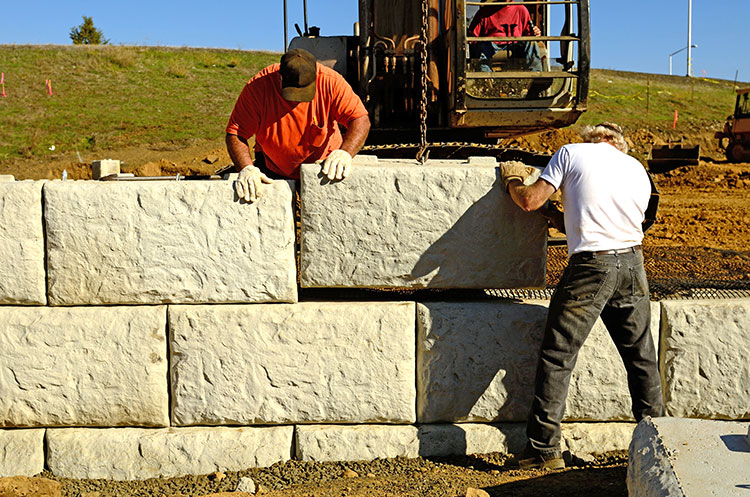
Excavation is a process that involves removing the earth from the surface and flattening it to create a desired shape and physical condition. It can be conducted before a construction project, or after the completion of one. There are a number of techniques for excavating, depending on the material being removed. Some of these include muck excavation, rock excavation, soil excavation, and drainage. Each of these methods requires specialized equipment to complete.
Muck excavation involves the removal of undesirable soil and water. The materials used for muck excavation can include debris, mud, and dirt. After the materials are removed from the site, they are spread to dry. This technique is often used in building canals and roadways.
What Are the Three Methods of Excavation?
Rock excavation is a process that involves drilling or explosives to remove rocks from the ground. This type of excavation can be used in several different areas, including the building of tunnels and utility lines. To properly remove rock from the ground, an excavation expert will need to drill through it and clear the area for the retaining wall. Depending on the nature of the rock, the process may require additional specialised equipment.
Soil excavation involves the removal of the uppermost layer of soil. When done properly, this type of excavation can help support vegetation and trees. However, if not properly completed, this method can cause damage to the foundation of a building. Since it contains more moisture than the surrounding soil, the topsoil is usually stockpiled after the job is complete.
Rock excavation is an underground procedure, which requires special equipment. Once the rock is removed, it is often used as foundations for buildings. Materials used in rock excavation may include boulders, detached stones, and solid rock. Most excavation equipment is not suitable for clearing rocky surfaces, so drilling is needed. A blasting method is also used in rock excavation.
Another type of excavation is the stripping method. This is used to remove the topsoil and gravel from a construction site. As a result, ditches may be formed. Before a stripping operation begins, the area needs to be drained and the pit cleared of debris and timber. If the material is to be reused, it must be properly sorted and then returned to the site.
Another common form of excavation is the borrow excavation. Borrowing materials is a popular method for filling or leveling an embankment. This is typically used for construction sites with a limited amount of material on hand. In most cases, this method is used for building a dam, building a bridge, or creating a grading system.
Finally, dredging is a form of excavation that occurs underwater. Dredging is a great way to clear out a river or other waterway, but it is also important to make sure that the area is well protected. Drainage is a great way to prevent water damage and protect infrastructure.
An excavation can be dangerous if not carried out by an experienced professional. Therefore, if you’re considering any type of excavation, it’s best to call in an expert.