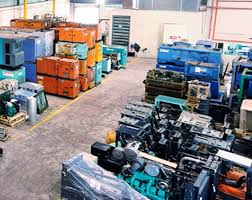
Industrial construction projects like oil refineries, power plants, and other commercial and industrial buildings require extensive piping networks to connect equipment and process fluids and gases. These piping systems are designed to carry high-pressure, complex chemicals and other materials. Pipe spooling is a prefabrication technique used to produce these networks in an offsite facility before they are installed at the job site.
The piping system in a building is made up of many components, including pipes, fittings and flanges. In order to ensure the accuracy of the assembly, it is important that all these components are prefabricated in a manufacturing shop.
What is spooling in piping?
During the assembly of a piping system, the material of the pipes and fittings becomes strain hardened after the bending, fitting and welding processes Oil and Gas Equipment Rentals. To remove this residual stress, stress-relieving heat treatment is applied.
After the material is stress relieved, hydro testing and painting are done to provide a protective coating to protect the pipes against corrosion. Depending on the application, different materials may be used for the piping modules.
Fabrication of a pipe spool is a process that is performed in the fabrication shop following a series of cutting, beveling and welding procedures. It is a critical stage not only for piping but also for the overall industrial construction project, as the assembly needs to be precise and there are no room for mistakes.
The spooling of the raw materials and pipe fittings in a fabrication shop allows a significant reduction in the amount of labor needed for installation on-site. This translates to lower mobilization costs and faster completion of the project.