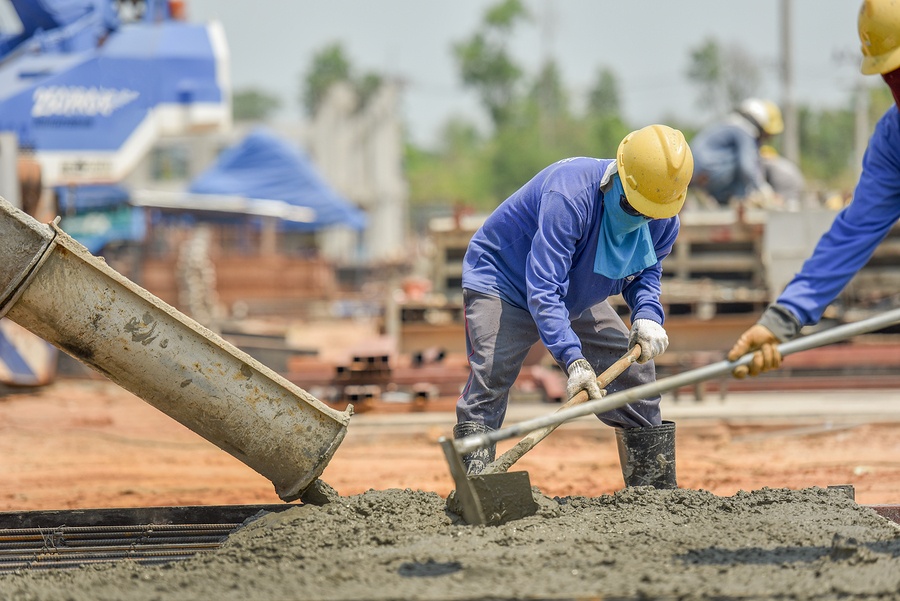
California is taking on one of the hardest industries to decarbonize: making cement, which is used in concrete for roads and buildings. The state has passed a landmark law requiring that the industry be carbon neutral by 2045. And while the move is a step, experts say it will take years to get the sector to zero-out emissions because it requires transformative technologies to cut emissions from breaking down limestone and burning fossil fuels to power the kilns that make cement.
What is the California cement Law?
The bill, which was sponsored by Senator Josh Becker and has bipartisan support, instructs the Air Resources Board to create a comprehensive strategy to achieve net-zero greenhouse gas (GHG) emissions from cement made in California as soon as possible but no later than 2045. It also tasks the agency with creating a metric to easily compare GHG emissions per ton of cement, which doesn’t exist now.
To reach its goal, the state’s cement plants will need to reduce the energy consumed by their kilns and replace fossil fuels with climate-friendly alternatives Flooring contractor chandler, such as recycled pistachio shells or tires. They will also need to find ways to cut GHG emissions from the breaking down of limestone and burning fossil fuels, which account for the majority of a ton of cement’s overall emissions.
But many contractors and construction industry representatives argued the bill was too stringent. They said it would complicate the process of obtaining permits, limit what types of cement they could use and raise costs for projects.