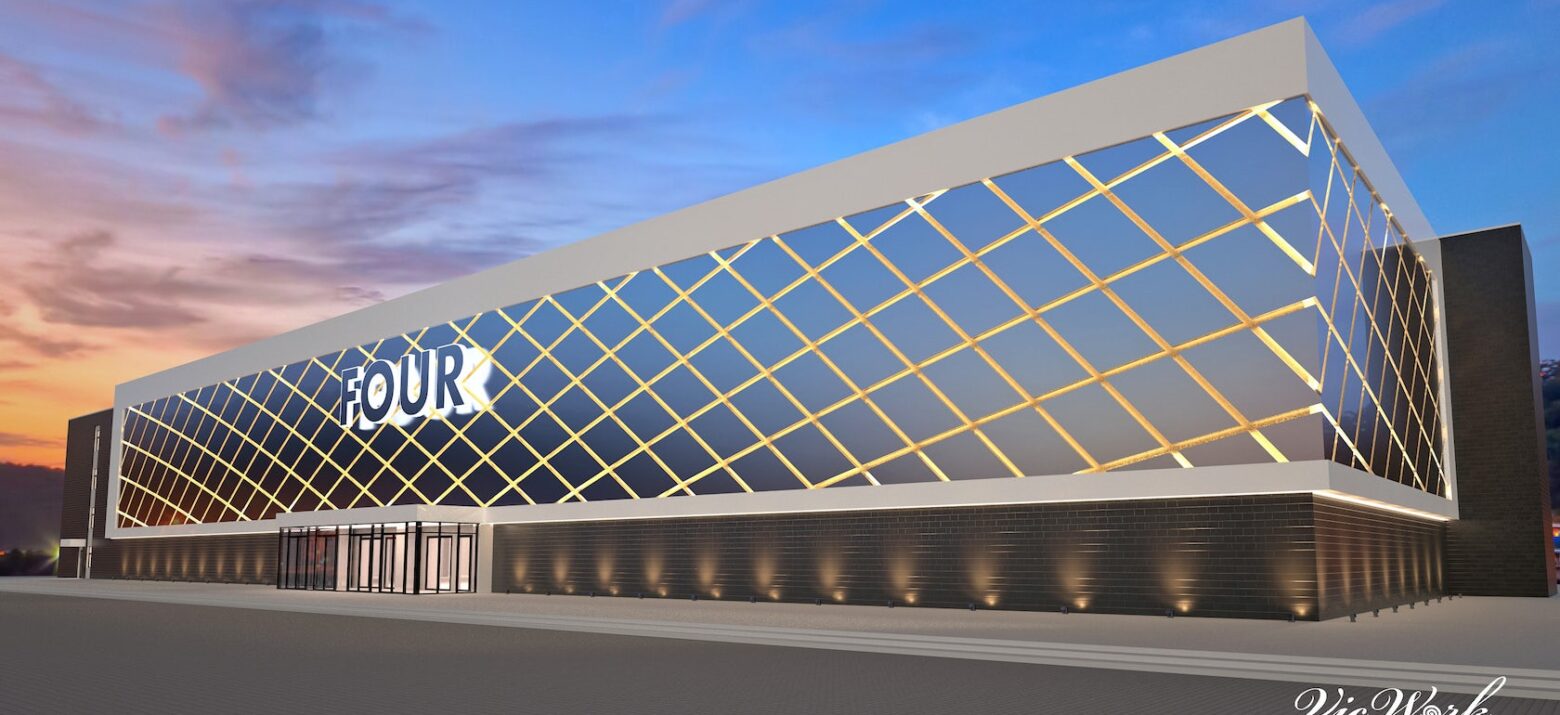
The facade (also known as the principal façade) is the main face of a building that protects it from external elements like rain, wind, frost and sun. It can also insulate the structure and (seemingly contradictory) cool it down. Facades are often constructed to make a striking design statement or to improve functionality, such as increasing security and energy efficiency.
Can a Facade Be Internal?
Similarly, software systems often get very complex over time as developers add features and apply design patterns to create more flexible and reusable subsystems. These subsystems often depend on many classes with different interfaces, resulting in tight coupling between these components.
This can make it difficult to implement, change, test, and reuse them. The Facade design pattern aims to solve this problem by introducing a wrapper class that provides a simpler interface to the subsystem and hides its implementation details. visit their website here
Facades are similar to Adapter design patterns, but the main difference is that while Adapter usually adapts one class, Facade can front-end multiple objects simultaneously. The other key difference is that Facade defines a new interface for the subsystem, while Adapter tries to make an existing interface usable.
The best use case for the Facade design pattern is when you want to hide a large number of interfaces within a single class that will provide an easy-to-use and consistent client interface. You might also use the pattern when you need to reduce a large number of dependencies on a complex subsystem or when you are trying to integrate a legacy system into your new application.