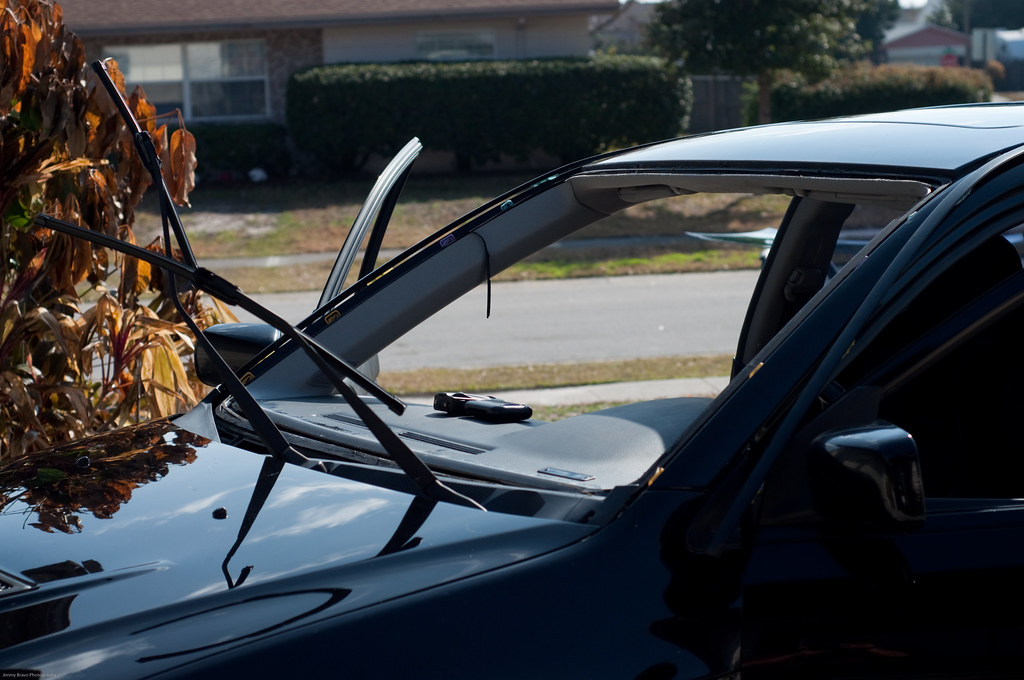
A leaking rear windshield can lead to significant issues in your vehicle, including water damage, mold growth, and compromised structural integrity. Detecting and addressing these leaks promptly is crucial for maintaining not only the aesthetics of your vehicle but also its functionality and safety. This article will guide you through the signs of a rear windshield leak, methods to detect it, and steps to fix the problem.
1. Signs of a Leaking Rear Windshield
Recognizing the signs of a leak is the first step in addressing the issue. Here are some common indicators that your rear windshield may be leaking:
1. Water Stains Inside the Vehicle
One of the most obvious signs of a leak is the presence of water stains or dampness inside your vehicle, particularly on the rear seats or floor. If you notice wet spots after rain or washing your car, this could indicate a leak.
2. Musty Odors
Water leaks can lead to mold and mildew growth, which often results in unpleasant odors inside the vehicle. If you detect a musty smell, it’s essential to investigate further.
3. Visible Gaps or Cracks
Inspect your rear windshield for any visible gaps, cracks, or damage to the sealant. Even small gaps can allow water to seep in, especially during heavy rain.
4. Fogging or Condensation
If you experience excessive fogging on the rear windshield or see condensation forming inside the glass, this can be a sign that moisture is entering the vehicle.
2. How to Detect a Leak
If you suspect a leak, conducting a thorough inspection is essential. Here are some methods to detect water leaks effectively:
1. Visual Inspection
Start by visually inspecting the rear windshield and its surrounding areas. Look for:
- Cracks or chips in the glass
- Deterioration of the sealant or gasket
- Any areas where the glass does not sit flush against the frame
2. Water Test
Performing a water test can help confirm the presence of a leak. Here’s how to do it:
- Have a friend sit inside the vehicle while you use a hose to spray water around the edges of the rear windshield.
- Start at the top and work your way down, paying close attention to the areas where the glass meets the frame.
- Ask your friend to report any signs of water entering the vehicle.
3. Check for Blocked Drainage
Ensure that the drainage channels around the windshield are clear. Blocked drainage can cause water to accumulate and eventually leak into the vehicle. Remove any debris or obstructions that may be present.
3. Fixing a Leaking Rear Windshield
Once you’ve identified the leak, it’s essential to take action to fix it. Here are steps you can follow:
1. Clean the Area
Before applying any sealant or adhesive, clean the area around the leak thoroughly. Use a mixture of soap and water to remove any dirt, grime, or old sealant. Dry the area completely before proceeding.
2. Apply New Sealant
If you identify a gap in the sealant, applying a new layer can help. Here’s how to do it:
- Choose the Right Sealant: Use a high-quality automotive sealant designed for windshield applications.
- Apply the Sealant: Using a caulking gun, apply a bead of sealant around the edges of the windshield where you see gaps. Ensure even coverage to prevent future leaks.
- Smooth the Sealant: Use a putty knife or your finger to smooth the sealant and ensure it adheres well to the glass and frame.
3. Allow Time to Cure
After applying the sealant, allow it to cure according to the manufacturer’s instructions. This is crucial for ensuring a proper seal and preventing future leaks.
4. Check for Additional Repairs
If the leak persists after resealing, you may need to consider more extensive repairs. This could involve removing the rear windshield and reinstalling it correctly. In such cases, it’s advisable to consult a professional auto glass technician.
4. Preventing Future Leaks
To prevent future leaks, consider the following maintenance tips:
1. Regular Inspections
Regularly inspect the condition of your rear windshield and sealant, especially after extreme weather events. Early detection of any issues can help prevent leaks from developing.
2. Maintain Clean Drainage Systems
Ensure that drainage channels around the windshield are clear of debris and functioning correctly. This will help prevent water accumulation and potential leaks.
3. Professional Installation
If you ever need to replace your rear windshield, choose a reputable professional for the installation. Proper installation is key to preventing leaks down the line.
Conclusion
A leaking rear windshield can lead to significant problems if not addressed promptly. By recognizing the signs, conducting thorough inspections, and making necessary repairs, you can protect your vehicle from water damage and maintain a safe driving environment. Remember, if you’re unsure about fixing the leak yourself, consulting a professional is always a wise choice. Taking proactive steps will ensure your vehicle remains in top condition and free from leaks.